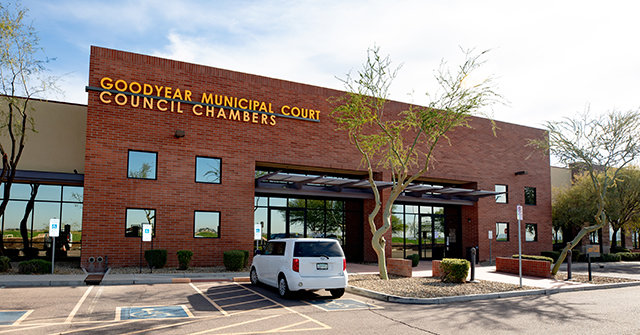
Navigating the DUI Court Process in Arizona
Understanding the court process helps reduce anxiety and allows you to make informed decisions at each stage. Here is what to expect from arraignment through resolution of your DUI case.
Arraignment
Your first court appearance is the arraignment. At this hearing:
- The judge will read the charges against you
- You will enter a plea (always plead Not Guilty at this stage)
- Conditions of release will be set (such as no alcohol consumption, ignition interlock device)
- Your next court date will be scheduled
- You may request a public defender if you qualify financially
Pre-Trial Conference
After arraignment, your attorney will begin the discovery process — requesting and reviewing all evidence the prosecution intends to use. This includes:
- Police reports and officer notes
- Body camera and dash camera footage
- Breath or blood test results and calibration records
- Dispatch records and 911 calls
- Witness statements
Pre-trial conferences are where your attorney negotiates with the prosecutor. Many cases are resolved at this stage through plea agreements.
Motions and Hearings
Your attorney may file various motions to challenge the evidence, including:
- Motion to Suppress — Challenging the legality of the traffic stop or arrest
- Motion to Preclude — Asking the court to exclude unreliable or improperly obtained evidence
- Motion to Dismiss — Arguing the case should be dismissed due to insufficient evidence or procedural violations
Trial
If a plea agreement is not reached, your case will go to trial. In Arizona, you have the right to a jury trial in DUI cases — even misdemeanors — under ARS 28-1381(I). This right exists in municipal, justice, and superior courts. You can also choose a bench trial (judge only) if you prefer. At trial:
- The prosecution must prove guilt beyond a reasonable doubt
- Your attorney can cross-examine the arresting officer and any expert witnesses
- You have the right to present your own witnesses and evidence
- You have the right to testify on your own behalf (or not to testify)
Sentencing
If convicted or as part of a plea agreement, sentencing may include jail time, fines, license suspension, ignition interlock device, alcohol screening and treatment, community service, and probation.
The MVD Hearing
Separate from the criminal case, the Arizona Motor Vehicle Division (MVD) will seek to suspend your driving privileges. This is an administrative proceeding, not a criminal one.
- You must request a hearing within 30 days of arrest
- The hearing is conducted by an Administrative Law Judge
- The standard of proof is lower than in criminal court (preponderance of evidence)
- You can challenge the validity of the stop, the arrest, and the chemical test results
- If you win, your driving privileges are preserved until the criminal case is resolved
Timeline
A typical misdemeanor DUI case takes 2-6 months from arrest to resolution. Felony Aggravated DUI cases can take 6-12 months or longer. Every case is different, and timelines can vary based on court scheduling, complexity of the evidence, and negotiation progress.